More than just a headache: Breaking the silence on under-recognised conditions

A new pan-European women’s health survey from the European Migraine & Headache Alliance reveals a systemic blind spot: most women affected by migraine are of working age yet face delayed diagnosis and fragmented care.

The evidence highlights the poorly understood link between migraine and hormonal transitions—menstruation, perimenopause and menopause—compounded by stigma.

This live studio discussion explores where the EU is underperforming on research and treatment access, and sets out practical implications for employers, health systems and policymakers seeking to close the gender health gap and modernise care pathways across Europe. 

Watch the livestream

Event Details

- Women’s health is often discussed primarily in the context of conditions that only impact women, but what impact do gaps in data collection, stigma, and misdiagnosis have for women specifically?
- Within the upcoming Neurological Health Strategy, Women’s Health Strategy, Gender Inequalities Report – what can policymakers do to recognize the disproportionate impact of conditions like migraine on women?
- What is the impact of health inequalities on women’s lives and on society, and what can be done to address it?
- European leaders increasingly talk about building a competitive Europe, how can we better recognize the impact of health on women’s working lives?
- How can reducing stigma associated with conditions that disproportionately impact women improve diagnosis and care?

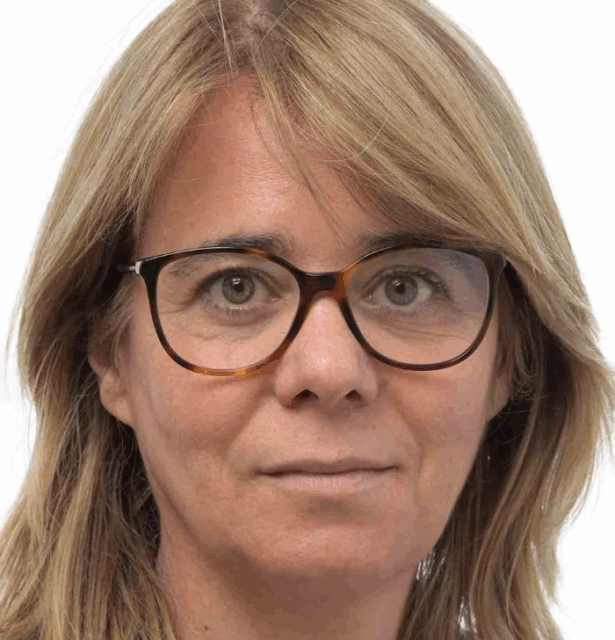
President-Elect, International Headache Society and Head of Neurology Department
Vall d’Hebron, Spain
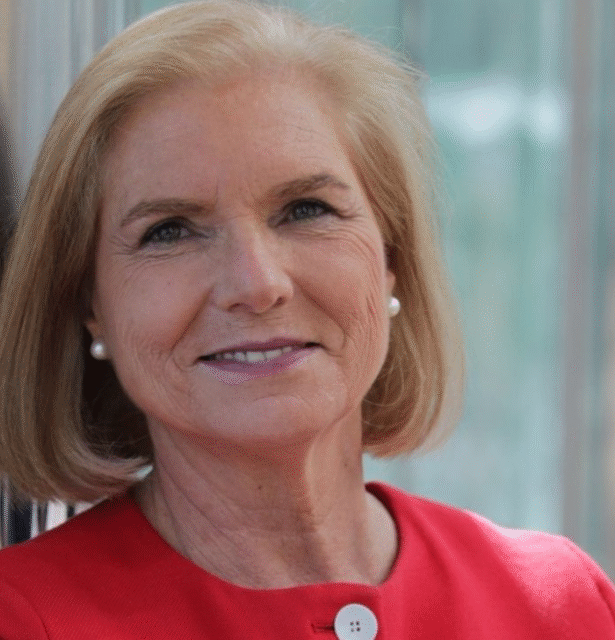
President
European Migraine and Headache Alliance
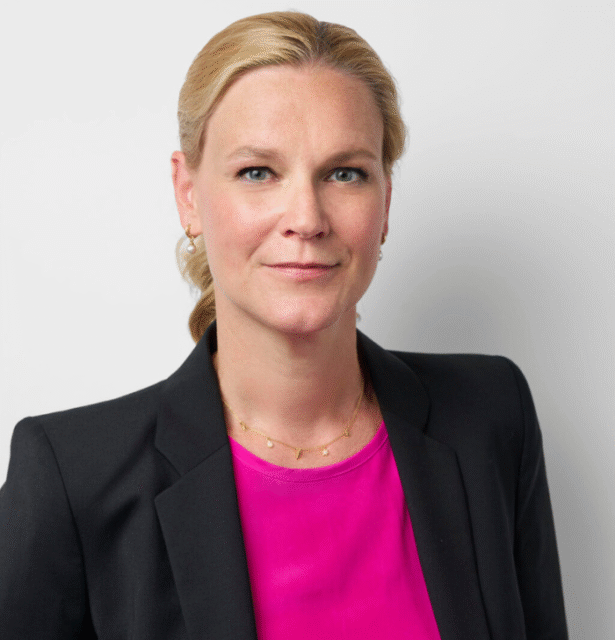
Vice President Europe Region South
AbbVie
(The Left, Portugal)
European Parliament
Event Details
    Sponsors