
Upcoming
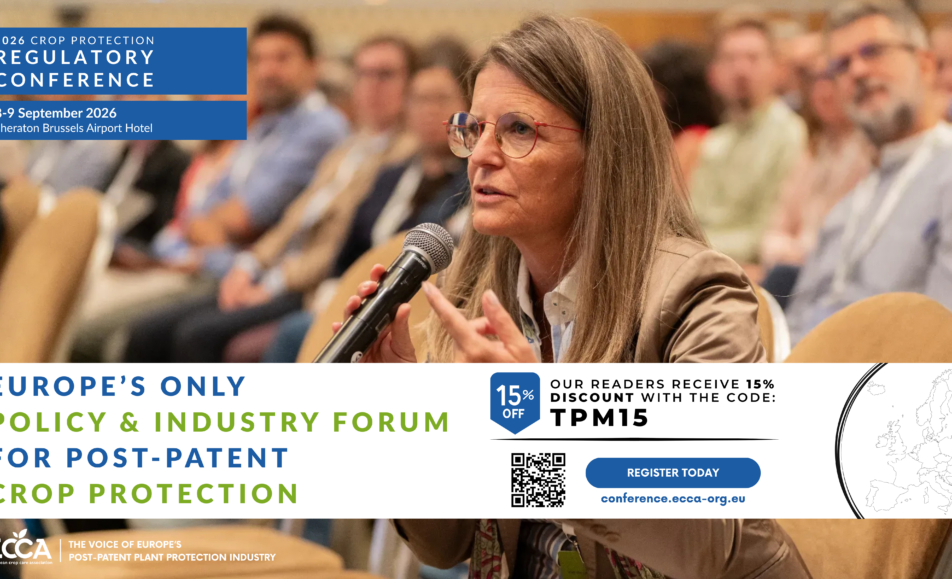
The European Crop Care Association (ECCA) is the pan-European voice of the post-patent plant protection industry, representing companies committed to supporting competitive, sustainable and resilient European agriculture. ECCA advocates for a science-based, predictable and workable EU-wide regulatory framework for post-patent...
Upcoming
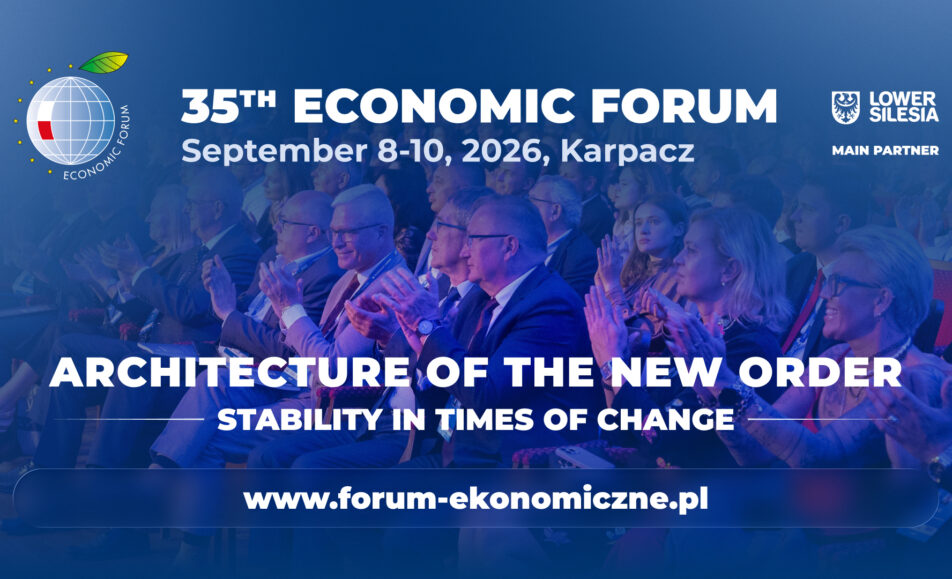
On September 8–10, 2026, the 35th Economic Forum will take place in Karpacz – the largest and most important socio-economic conference in Central Europe, which for over three decades has served as a key platform for dialogue between politics, business,...
Upcoming
As the EU reviews CO₂ emission standards for cars and vans, policymakers face a key question: how to ensure that the framework delivers real decarbonisation while remaining genuinely technology neutral. ePURE’s position is that the current approach risks excluding proven...

Upcoming
As Europe looks to strengthen its industrial base and secure long-term competitiveness, the role of trusted international partners such as Japan in the automotive transition is becoming increasingly important. How can the EU strengthen its industrial base while continuing to attract investment...
Upcoming
As Europe looks to strengthen its open strategic autonomy and accelerate the transition towards a circular economy, paper and fibre-based products offer concrete, renewable, recyclable and low-carbon alternatives to many fossil-based materials and products. Cepi Bioeconomy LAB will showcase cutting-edge solutions from across Europe, highlighting how...
Upcoming
Alzheimer’s is at a turning point in Europe. As new treatments emerge, the real challenge is no longer just innovation, but ensuring patients can access them in time. This policy breakfast will bring together EU policymakers, healthcare experts, patient representatives,...
Upcoming
Medical technologies play a vital role in improving patient outcomes, enabling earlier diagnosis, supporting more effective treatments, and strengthening healthcare systems across Europe. As the European Commission’s proposal to revise the Medical Devices Regulation (MDR) and In Vitro Diagnostic Medical Devices...

Upcoming
Join The Parliament’s APA Back to School Reception as Brussels looks forward to the second half of the year. After a well-earned summer break, the institutions are gearing up for a busy autumn ahead, and this reception offers the perfect...
Upcoming
Brussels Climate Week – Europe’s flagship platform driving climate resilience, innovation and industrial transformation. Hosted by the City of Brussels and powered by Tech for Climate Action, Brussels Climate Week brings together policymakers, industry leaders, innovators, and communities to turn...
Upcoming
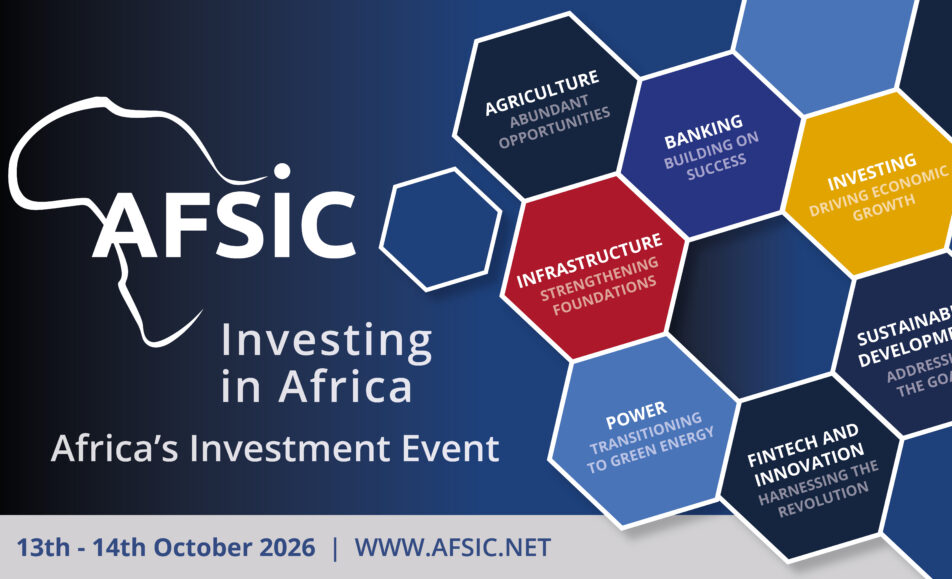
Taking place on 13–14 October 2026 at Park Plaza Westminster Bridge, London, AFSIC – Investing in Africa is the world’s leading Africa investment conference. Now in its 13th edition, the event unites 1,200+ delegates, 200+ investors, and 350+ speakers from...
Upcoming
As legislators review the Biotech Act, they face a generational opportunity to strengthen Europe’s clinical trials landscape and its global competitiveness. The Commission’s proposal outlines changes that can help reverse Europe’s declining share in global clinical research, bridge the emerging...
Upcoming
Autonomous driving is a key test of Europe’s industrial competitiveness. Self-driving vehicles depend on advanced semiconductors to sense, communicate and react in real time, making the future of Europe’s automotive and chip industries closely linked. Both sectors face a common challenge: uncertainty over...

Upcoming
The Parliament proudly presents the second edition of the APA Awards – recognising the work and dedication of Accredited Parliamentary Assistants. The European Parliament is powered by a dedicated community of professionals whose influence is felt in every speech, briefing note and amendment,...
Upcoming
On September 8–10, 2026, the 35th Economic Forum will take place in Karpacz – the largest and most important socio-economic conference in Central Europe, which for over three decades has served as a key platform for dialogue between politics, business,...
Upcoming
The European Crop Care Association (ECCA) is the pan-European voice of the post-patent plant protection industry, representing companies committed to supporting competitive, sustainable and resilient European agriculture. ECCA advocates for a science-based, predictable and workable EU-wide regulatory framework for post-patent...
Upcoming
As Europe looks to strengthen its open strategic autonomy and accelerate the transition towards a circular economy, paper and fibre-based products offer concrete, renewable, recyclable and low-carbon alternatives to many fossil-based materials and products. Cepi Bioeconomy LAB will showcase cutting-edge solutions from across Europe, highlighting how...
Upcoming
Taking place on 13–14 October 2026 at Park Plaza Westminster Bridge, London, AFSIC – Investing in Africa is the world’s leading Africa investment conference. Now in its 13th edition, the event unites 1,200+ delegates, 200+ investors, and 350+ speakers from...
Upcoming
Held under the patronage of H.H. Sheikh Mohamed Bin Zayed Al Nahyan, President of the United Arab Emirates, and hosted by ADNOC, ADIPEC 2026 will take place in Abu Dhabi from 2 to 5 November 2026. As the world faces...

Upcoming
The Public Affairs Summit is a series of events dedicated to public affairs professionals and policymakers, held in all European capitals since 2025. The second edition of the Summit in Brussels will take place on November 4 and 5 at...
Upcoming
As the EU confronts geopolitical instability, trade uncertainty, and climate change, insect production offers a strategic solution to strengthen Europe’s resilience and sustainability. This event will explore how insect-based ingredients can reduce dependence on imported proteins, create localized, circular protein...
Upcoming
Join The Parliament’s APA Back to School Reception as Brussels looks forward to the second half of the year. After a well-earned summer break, the institutions are gearing up for a busy autumn ahead, and this reception offers the perfect...

Upcoming
As “creator journalism” is on the rise and social media influencers are invited to attend events once reserved for conventional media, the established information ecosystem is left wondering what comes next. For politicians and institutions looking for quick visibility and...
Upcoming
On September 8–10, 2026, the 35th Economic Forum will take place in Karpacz – the largest and most important socio-economic conference in Central Europe, which for over three decades has served as a key platform for dialogue between politics, business,...
Upcoming
The European Crop Care Association (ECCA) is the pan-European voice of the post-patent plant protection industry, representing companies committed to supporting competitive, sustainable and resilient European agriculture. ECCA advocates for a science-based, predictable and workable EU-wide regulatory framework for post-patent...
Upcoming
As the EU reviews CO₂ emission standards for cars and vans, policymakers face a key question: how to ensure that the framework delivers real decarbonisation while remaining genuinely technology neutral. ePURE’s position is that the current approach risks excluding proven...
Upcoming
As Europe looks to strengthen its industrial base and secure long-term competitiveness, the role of trusted international partners such as Japan in the automotive transition is becoming increasingly important. How can the EU strengthen its industrial base while continuing to attract investment...
Upcoming
As Europe looks to strengthen its open strategic autonomy and accelerate the transition towards a circular economy, paper and fibre-based products offer concrete, renewable, recyclable and low-carbon alternatives to many fossil-based materials and products. Cepi Bioeconomy LAB will showcase cutting-edge solutions from across Europe, highlighting how...
Upcoming
Alzheimer’s is at a turning point in Europe. As new treatments emerge, the real challenge is no longer just innovation, but ensuring patients can access them in time. This policy breakfast will bring together EU policymakers, healthcare experts, patient representatives,...
Upcoming
Medical technologies play a vital role in improving patient outcomes, enabling earlier diagnosis, supporting more effective treatments, and strengthening healthcare systems across Europe. As the European Commission’s proposal to revise the Medical Devices Regulation (MDR) and In Vitro Diagnostic Medical Devices...
Upcoming
Join The Parliament’s APA Back to School Reception as Brussels looks forward to the second half of the year. After a well-earned summer break, the institutions are gearing up for a busy autumn ahead, and this reception offers the perfect...
Upcoming
Taking place on 13–14 October 2026 at Park Plaza Westminster Bridge, London, AFSIC – Investing in Africa is the world’s leading Africa investment conference. Now in its 13th edition, the event unites 1,200+ delegates, 200+ investors, and 350+ speakers from...
Upcoming
As legislators review the Biotech Act, they face a generational opportunity to strengthen Europe’s clinical trials landscape and its global competitiveness. The Commission’s proposal outlines changes that can help reverse Europe’s declining share in global clinical research, bridge the emerging...
Upcoming
Autonomous driving is a key test of Europe’s industrial competitiveness. Self-driving vehicles depend on advanced semiconductors to sense, communicate and react in real time, making the future of Europe’s automotive and chip industries closely linked. Both sectors face a common challenge: uncertainty over...

Upcoming
Europe is charting an ambitious course to strengthen its digital competitiveness, resilience and strategic autonomy through a new generation of digital policies and infrastructure initiatives. Central to this effort are the proposed Cloud and AI Development Act, the expansion of the EU’s...
Upcoming
Brussels Climate Week – Europe’s flagship platform driving climate resilience, innovation and industrial transformation. Hosted by the City of Brussels and powered by Tech for Climate Action, Brussels Climate Week brings together policymakers, industry leaders, innovators, and communities to turn...

Upcoming
Europe’s health sector faces growing pressure from geopolitical tensions, trade uncertainty, global competition, and ageing populations. These challenges are exposing vulnerabilities in supply chains for medicines and medical technologies, while highlighting the significant economic, social, and workforce costs of neglecting...